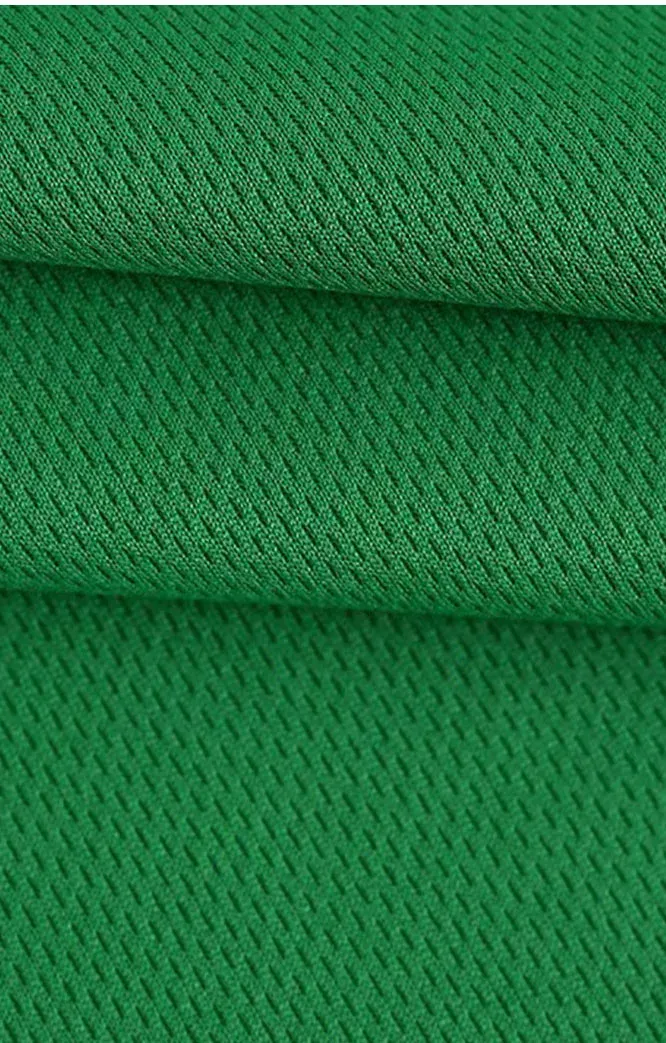
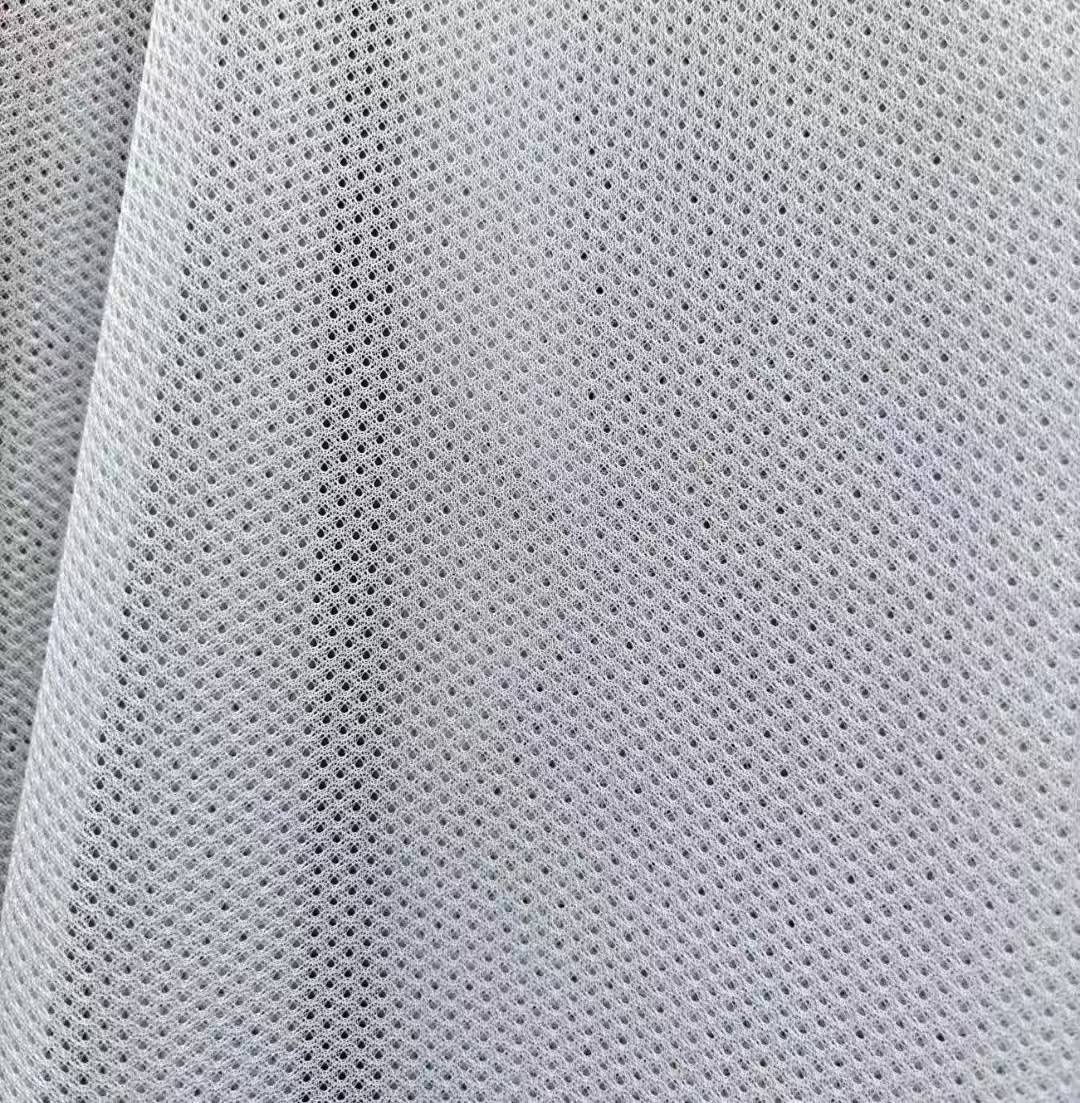
What Is Acetate Satin Fabric? Properties, Uses and How It Compares to Silk
Acetate satin (also called imitation acetate) gives you the liquid drape and glow of silk satin at a fraction of the cost. Here is how it behaves, where it shines, and what to check before bulk.
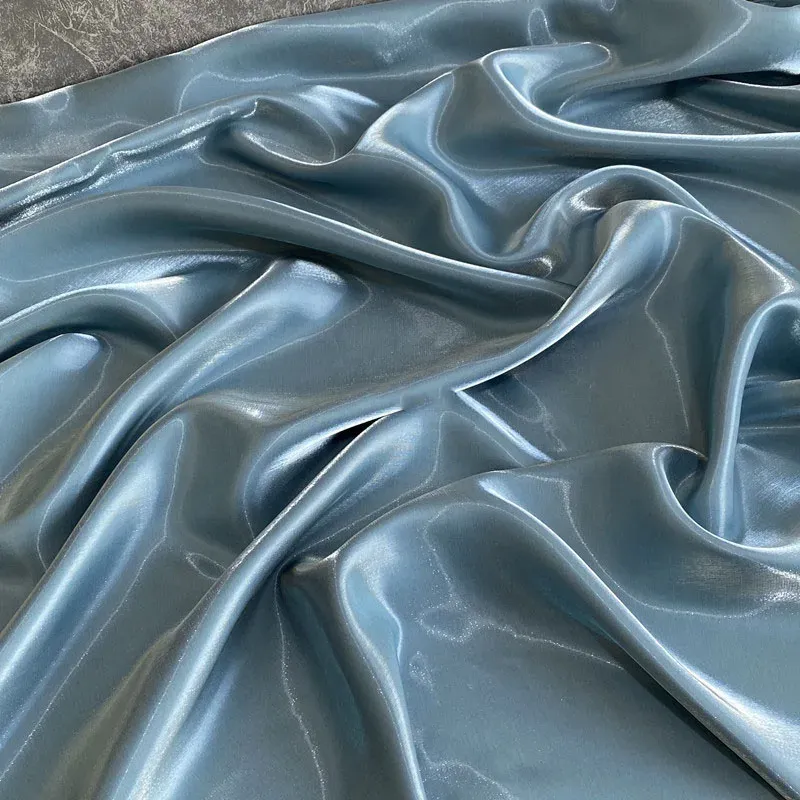
Acetate satin is one of the most searched fabrics in occasion wear - and one of the most misunderstood. Strictly speaking, most "acetate satin" on the market today is imitation acetate: a 100% polyester woven satin engineered to look and feel like true acetate or silk. It keeps the fluid drape, the soft glow and the whisper-smooth surface, while washing better, costing less and stitching more predictably than the real fiber.
The properties that matter to garment makers
- Drape: a true satin weave floats. Our heavy acetate satin series runs 150 cm wide at 150-240 gsm - light enough to flow, heavy enough to hang straight instead of clinging.
- Surface: the long-float weave gives that characteristic liquid sheen under light, which photographs beautifully - one reason occasion-wear brands favor it.
- Stability: polyester-based imitation acetate resists shrinking and holds color well. Our double-faced and crack-textured styles (SS#3, SS#5, SS#7, SS#8) keep structure on both sides, useful for reversible details and unlined designs.
- Stretch options: standard versions are 100% polyester; four-way-stretch styles (SS#4, 92% polyester 8% spandex) add body-hugging comfort for fitted dresses and jumpsuits.
Where it is used
From our own order book, heavy acetate satin goes into four buckets: draped trousers and structured blazers, midi and long skirts, luxurious shirts and blouses, and occasion wear - cocktail dresses, evening jumpsuits, bridal toast dresses and bridesmaid gowns. Cross-cultural fashion is a fast-growing segment: modern qipao, horse-face skirts (Mamianqun) and kimono-style haori jackets all favor a satin that drapes like silk but survives daily wear.
How it compares to silk satin
- Cost: a fraction of silk. Silk prices are high and volatile; imitation acetate is stable across bulk lots.
- Care: machine-washable in most weights; silk usually needs dry cleaning.
- Consistency: color and hand stay stable across thousands of meters - when a style sells, you need 3,000 meters that match the sample.
- Look: very close liquid sheen; silk remains the reference standard, but most customers cannot tell the difference on a finished garment.
Our heavy acetate satin program
Liloom Textile stocks 12 heavy acetate satin styles (models SS#1-SS#10, LM#1, XL#1), all 147-150 cm wide, 150-240 gsm, from 20 to 72 stocked colors per style - including textured crepes, double-faced satins, a gold-satin and a liquid-satin finish. Ready-made color cards ship before bulk, and we confirm spec sheets against your target garment.