Sourcing Sports Mesh Fabric from China: What B2B Buyers Should Know
Sports mesh requires attention to structure, weight, stretch and color depth. What B2B buyers should confirm before placing a bulk order with a Chinese supplier.
Sports mesh fabric is a growing category in the performance wear market. Whether you are sourcing for cycling jerseys, basketball uniforms, yoga tops or training gear, the fabric you choose directly affects the end product's quality. Here is what to confirm before committing to a supplier.
1. Know the mesh structure you need
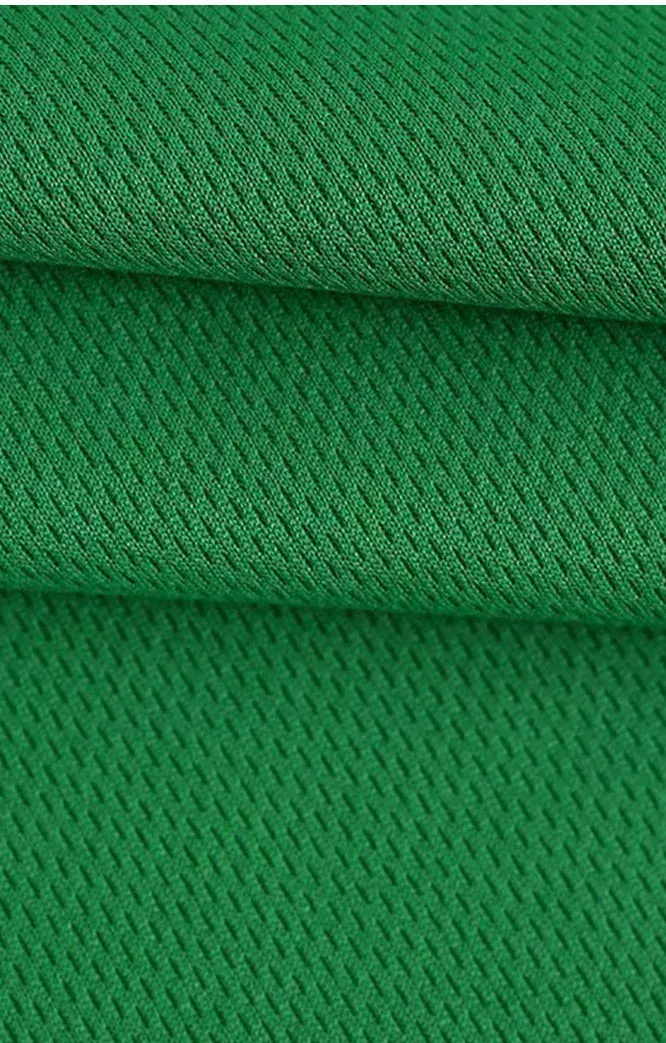
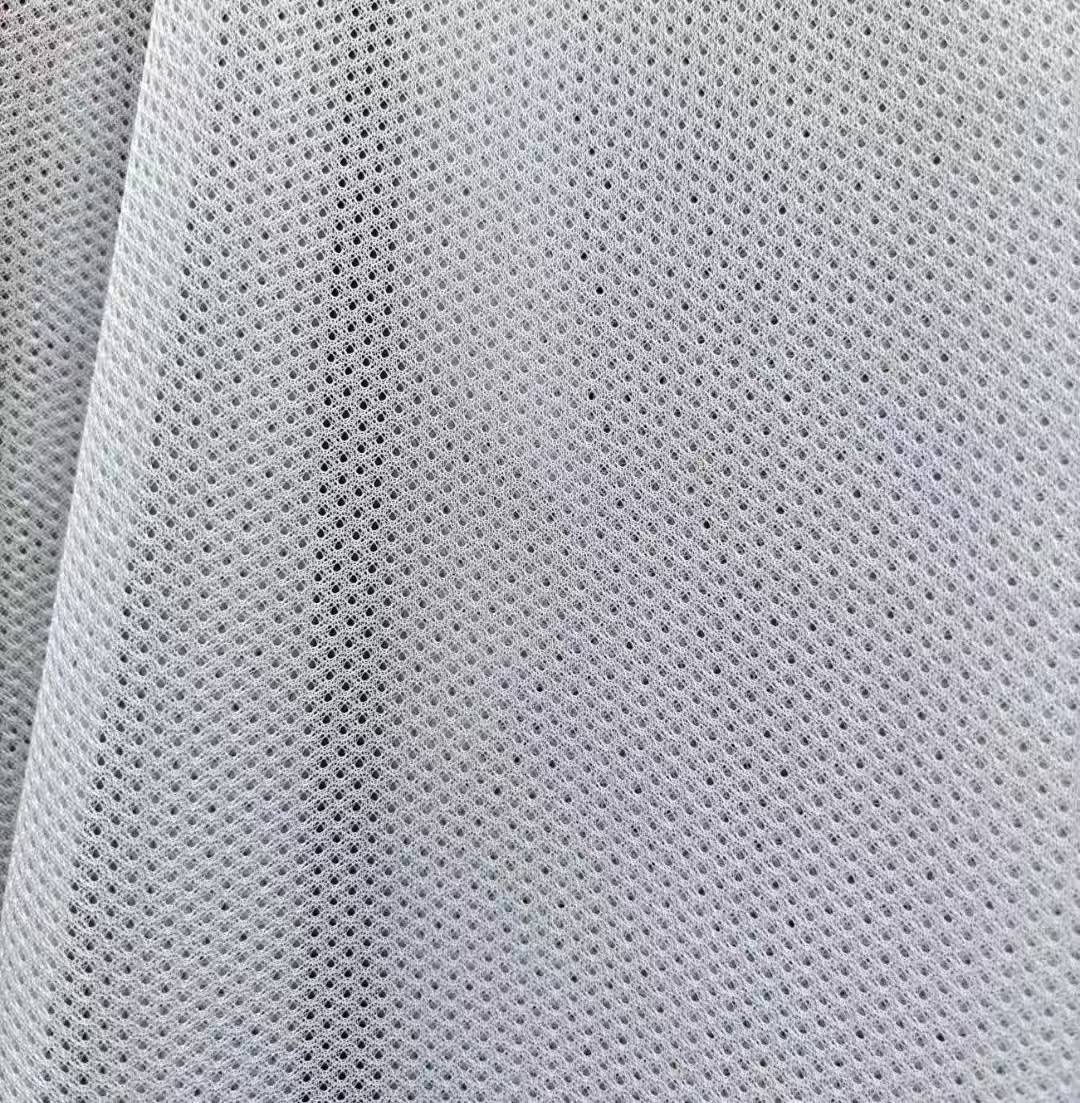
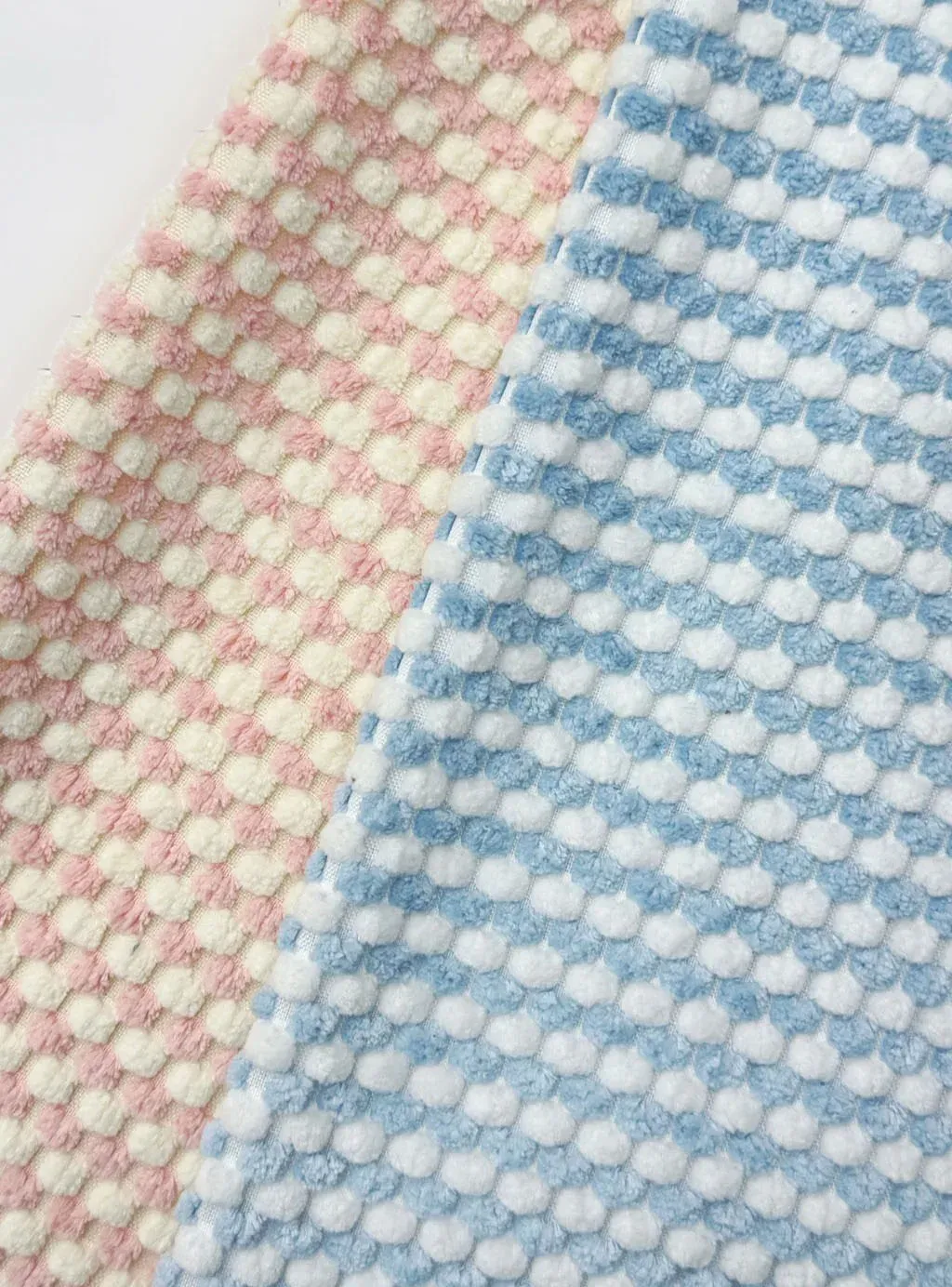
Sports mesh comes in many structures - eyelet, bird's eye, honeycomb, four-corner, star dot, butterfly and more. Each structure has a different openness, texture and visual effect. Before contacting suppliers, decide:
- What garment is the mesh for (jersey, lining, panel, full body)?
- Do you need visual texture (honeycomb, star dot) or a clean surface (eyelet, end-on-end)?
- Does the garment need stretch (polyester-spandex blend) or is 100% polyester sufficient?
2. Confirm weight and width
Sports mesh typically runs 65-210 gsm at 160-185 cm. Lighter weights (65-110 gsm) suit lining and inner layers. Mid-range (125-180 gsm) is the commercial sweet spot for jerseys and tops. Heavier weights (180-210 gsm) work for structured sportswear and double-layer applications.
Always confirm the usable width after finishing, not just the nominal loom width.
3. Check the color range
Sports mesh color depth varies widely between suppliers - from 10 to over 100 stocked colors per style. A supplier with deep color stock can ship color cards immediately and match re-orders across seasons. Ask for a physical color card, not a digital photo, because mesh colors read differently on an open-knit ground.
4. Confirm composition and stretch
Standard sports mesh is 100% polyester. For garments that need to stretch - compression wear, cycling kits, fitted tops - a polyester-spandex blend is essential. Confirm the exact percentage: 90/10 gives light stretch, 80/20 gives significant four-way stretch.
5. Understand the supplier's production capability
A supplier who only trades fabric (buying from mills and reselling) has less control over quality and lead time than a production-oriented supplier with direct greige, dyeing and finishing resources. Ask about:
- In-line QC during dyeing and finishing
- Final inspection before shipment
- Color card and lab-dip turnaround
- Re-order consistency
Why Liloom Textile
We are a production-oriented fabric supplier in Guangdong, China, stocking 18+ sports mesh styles from 65 to 210 gsm in eyelet, bird's eye, honeycomb, stretch and structural mesh. Every product page on our site lists the full specification with stocked color counts and color card photos. Send us your target spec and quantity through the contact form - we reply with pricing, lead times and swatch arrangements within one business day.Sports mesh fabric is a growing category in the performance wear market. Whether you are sourcing for cycling jerseys, basketball uniforms, yoga tops or training gear, the fabric you choose directly affects the end product's quality. Here is what to confirm before committing to a supplier.
1. Know the mesh structure you need
Sports mesh comes in many structures - eyelet, bird's eye, honeycomb, four-corner, star dot, butterfly and more. Each structure has a different openness, texture and visual effect. Before contacting suppliers, decide:
- What garment is the mesh for (jersey, lining, panel, full body)?
- Do you need visual texture (honeycomb, star dot) or a clean surface (eyelet, end-on-end)?
- Does the garment need stretch (polyester-spandex blend) or is 100% polyester sufficient?
2. Confirm weight and width
Sports mesh typically runs 65-210 gsm at 160-185 cm. Lighter weights (65-110 gsm) suit lining and inner layers. Mid-range (125-180 gsm) is the commercial sweet spot for jerseys and tops. Heavier weights (180-210 gsm) work for structured sportswear and double-layer applications.
Always confirm the usable width after finishing, not just the nominal loom width.
3. Check the color range
Sports mesh color depth varies widely between suppliers - from 10 to over 100 stocked colors per style. A supplier with deep color stock can ship color cards immediately and match re-orders across seasons. Ask for a physical color card, not a digital photo, because mesh colors read differently on an open-knit ground.
4. Confirm composition and stretch
Standard sports mesh is 100% polyester. For garments that need to stretch - compression wear, cycling kits, fitted tops - a polyester-spandex blend is essential. Confirm the exact percentage: 90/10 gives light stretch, 80/20 gives significant four-way stretch.
5. Understand the supplier's production capability
A supplier who only trades fabric (buying from mills and reselling) has less control over quality and lead time than a production-oriented supplier with direct greige, dyeing and finishing resources. Ask about:
- In-line QC during dyeing and finishing
- Final inspection before shipment
- Color card and lab-dip turnaround
- Re-order consistency
Why Liloom Textile
We are a production-oriented fabric supplier in Guangdong, China, stocking 18+ sports mesh styles from 65 to 210 gsm in eyelet, bird's eye, honeycomb, stretch and structural mesh. Every product page on our site lists the full specification with stocked color counts and color card photos. Send us your target spec and quantity through the contact form - we reply with pricing, lead times and swatch arrangements within one business day.