From Sampling to Bulk: How We Control Fabric Quality at Liloom Textile
Quality claims are easy to write and hard to keep. Here is what quality control actually looks like inside a production-oriented fabric supplier, stage by stage.
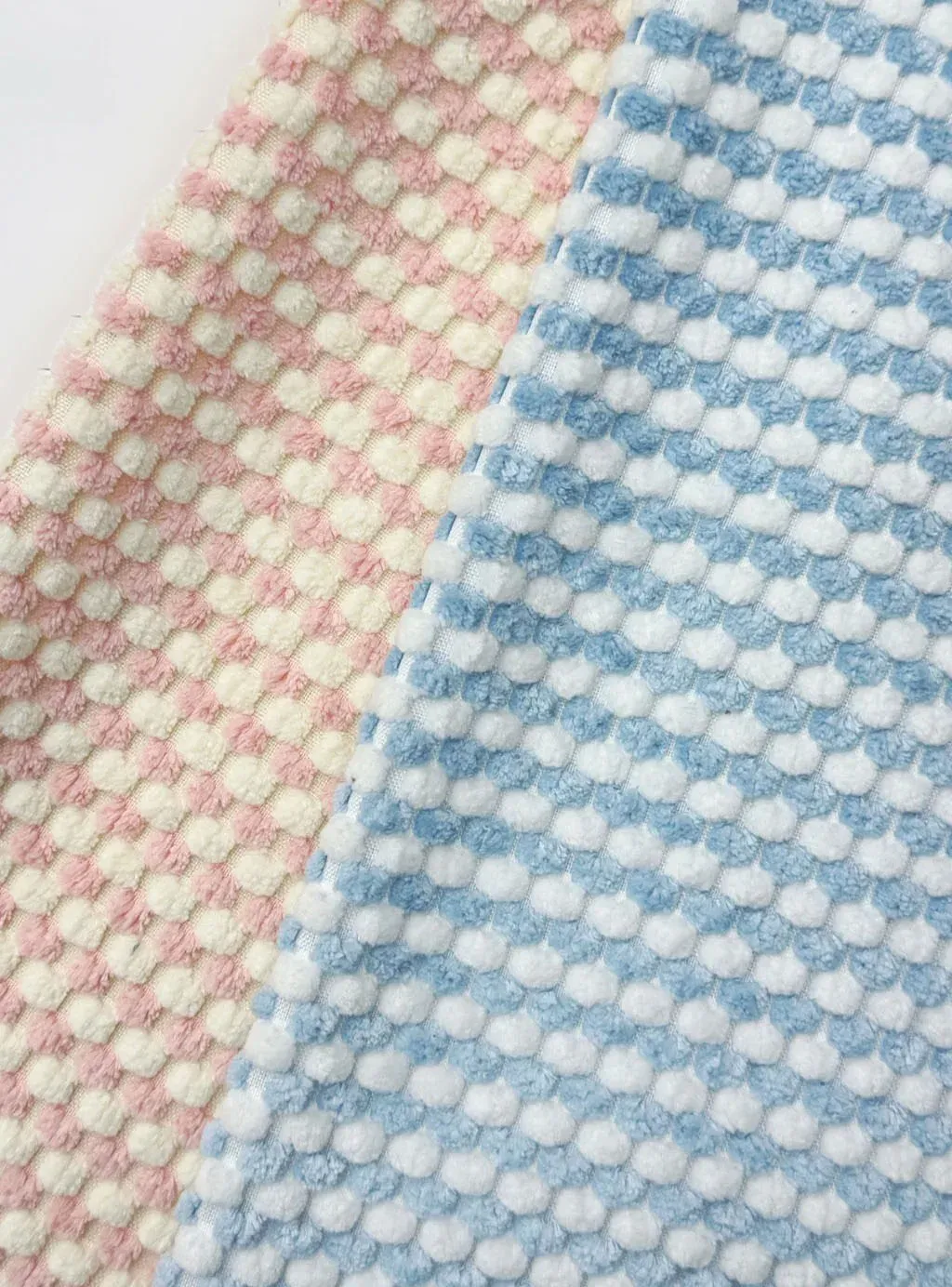
"Firmware quality control" appears on every fabric supplier's website. What buyers actually need to know is what happens between your inquiry and the container loading. Here is our process, stage by stage, for the two programs we run - knitted corduroy and heavy acetate satin.
Stage 1: Spec confirmation
Every order starts with a written specification: composition, width, weight (GSM) and construction. Our product pages carry these openly - for example, our cotton 8-wale corduroy is listed at 148 cm, 320 gsm, 80% cotton 20% viscose - because a spec that lives on a web page is a spec everyone can point at later. Where a buyer has a target we do not stock, we confirm feasibility against greige availability before quoting.
Stage 2: Sampling and color cards
Stocked styles ship with ready-made color cards - physical swatches, not printouts. Corduroy shades behave differently on a ribbed ground than on flat fabric, and satin colors shift under daylight versus shop light, so the card is judged under standard daylight. For shades outside the stock range we arrange lab-dips and counter samples. Nothing goes to bulk until the buyer has approved a physical standard.
Stage 3: Greige and dyeing control
Corduroy and satin both start at greige. We work with established greige weaving and dyeing-finishing resources, which means the knitting or weaving base, the dye lot and the finishing recipe are tracked - not guessed. In-line checks during dyeing and finishing catch shade drift and width variation while the fabric is still on the machine, when correction is cheap.
Stage 4: Final inspection
Before shipment, bulk fabric is inspected for width and weight against the confirmed spec, shade against the approved card, and hand feel against the approved sample. Any deviation is flagged to the buyer before goods leave, not after. This is also why we ask buyers to approve the counter sample - it becomes the arbitration standard both sides hold.
Stage 5: After-sales
Claims backed by the confirmed spec and approved standards are honored - the paperwork exists precisely so that disputes have a reference point. And because color cards are stocked, re-orders match: the color you bought last season is the color you get this season.
The short version
Sampling to bulk is a chain of agreed standards: spec, swatch, color card, counter sample, bulk inspection. A supplier who controls each link removes most of the risk of importing fabric. If you are evaluating suppliers, ask each one to describe these five stages concretely - the answers will tell you more than any certificate.
Liloom Textile supplies knitted corduroy and heavy acetate satin to garment, home textile and bag manufacturers worldwide. Request a color card or counter sample through our contact form - we confirm specs, price and lead times within one business day.